Can Music and AI help Your Brain
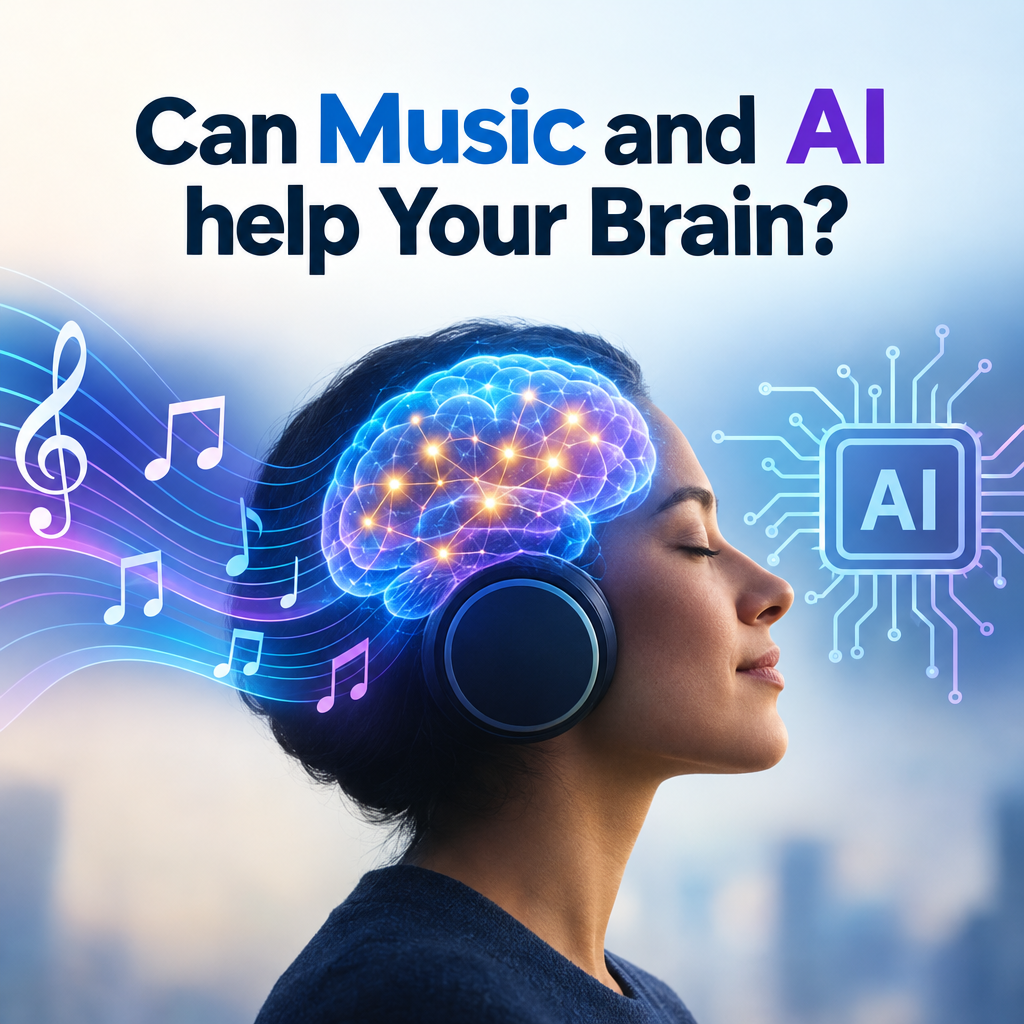
Picture this. You hear a song from your teenage years. Within seconds, you remember people, places, and feelings you had not thought about in decades.
Music and memory are tightly linked. The real question is whether that link can protect your brain as you age. I cover it in my latest Learnetics AI Podcast episode, “Can Music and AI Protect Your Brain?” When I started making AI-personalized songs for birthdays, weddings, and anniversaries, the reaction surprised me. People were moved. That told me how fast music reaches memory and emotion.
### Your Brain and Music
Music is more than entertainment. Hearing, emotion, memory, movement, and attention all work together to process a song. That's why a familiar tune can bring back a vivid memory. Researchers are studying how listening, singing, and playing an instrument may support thinking skills and emotional well-being. Some studies suggest benefits for memory, mood, and quality of life, especially in older adults. The studies are early and preliminary. Still, it is welcome news for families facing memory loss. Better mood or memory is one thing. Preventing disease is another. That gap is where the science gets interesting. Can music protect the aging brain?
Scientists call the target cognitive resilience. It is the brain’s ability to keep working despite aging or neurological change. Several observational studies link musical activity to better cognitive outcomes. A link does not prove cause. People who play instruments may also differ in education, social life, or physical health. The hard part is to show whether music itself protects, how much, and which activities work best.
In the episode, I separate solid research from claims that outrun the evidence.
### Where AI Comes In
AI gives researchers new tools to study the brain. It can scan brain images, cognitive tests, and medical records, and find patterns people miss. Researchers are testing it for early detection of neurological disorders and for more personal treatment plans. Add music to that. AI may one day match songs to the people they help most, build music programs for memory loss, and explain why some songs call up strong personal memories. Most of this is experimental. The test is simple. Does a tool improve health outcomes, or does it only make a good demo?
### Music and Dementia
This is one of the most compelling areas of research. Even after some abilities decline, familiar music can bring back memories, spark conversation, and lift mood. Researchers are studying music-based programs for emotional well-being, engagement, and quality of life.
Music is not a cure for Alzheimer’s disease. Evidence that it prevents dementia is inconclusive. Keep that distinction clear.
### What I Cover in the Episode
- Why music triggers powerful memories, and how it engages different brain systems
- What research says about musical engagement, aging, and brain function
- What neuroplasticity is, and why neuroscientists care about musical activity
- How AI is changing brain research, from cognitive testing to personalized care
- What AI-assisted music programs can and cannot do
### Why This Topic Matters to Me
After more than 35 years in technology, I've come to believe AI can do much more than automate tasks or make businesses more efficient. At Learnetics.ai, I'm especially interested in how we can use AI to improve our everyday lives. With a lifelong interest in music and technology, I find the connection between music, neuroscience, and AI fascinating. We still don't understand much about how music affects the brain, especially as we age. That's what makes this subject so interesting to explore for me.
Listen to the episode on Spotify or YouTube
Then put on your favorite album from your teenage years and let me know if you are not automatically transported to some place and time from your past!