Healthcare · 8 min
I Woke Up and the Room Was Spinning. Was I Having a Stroke?
· By Fito Kahn
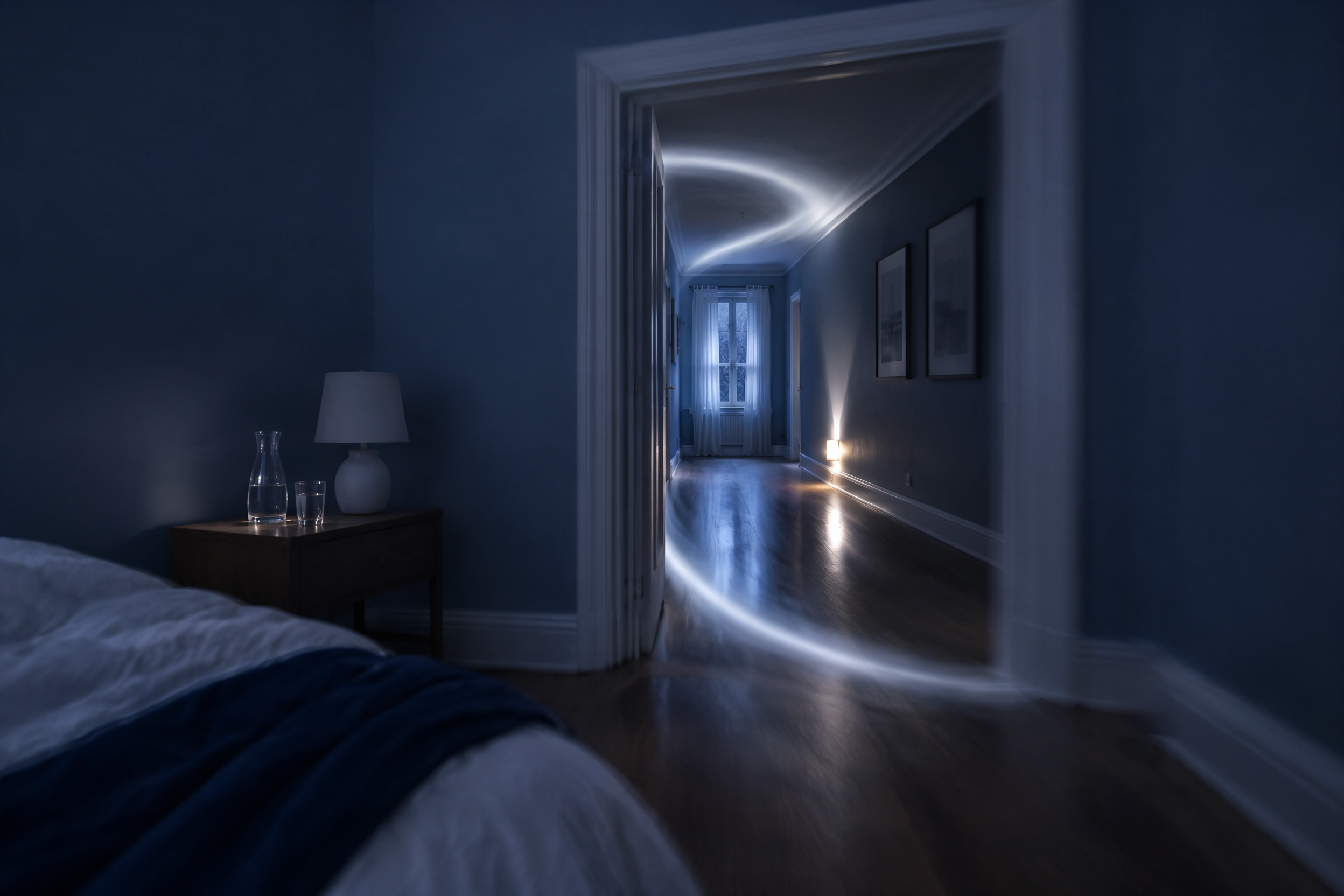
I got up in the middle of the night to go to the bathroom. All of a sudden, the room was spinning. I fell and couldn’t get up.
I finally managed to get back to bed, but even lying down, the room was still spinning. I woke my wife and told her I needed to go to the emergency room. I thought I might be having a stroke.
I checked my watch. My heart rate was 87, and it didn’t detect atrial fibrillation. Then I asked ChatGPT the first of several questions I’d have about that night.
“My heart rate is 87 and my watch says I’m not in AFib. What can I check next?”
ChatGPT: Call 911. Sudden dizziness with trouble standing or walking can be a stroke warning sign, even without facial droop or arm weakness. A watch rhythm reading can’t rule out a stroke. Sit or lie down, and tell the dispatcher when you woke up and when you last felt normal. Don’t delay the call to check your blood pressure or blood sugar.
I called EMS. They came to the house, checked my vitals, and recommended going to the ER. My wife took me, and the hospital team began evaluating me for a possible stroke. The initial tests looked good, but they admitted me and planned an MRI. The team thought vertigo might explain what I was feeling. I wanted to understand what vertigo actually meant and why it had hit me so hard.
While I was waiting, I asked ChatGPT to check my Notion medical records for a previous MRI. It found a coronary CT angiogram and an echocardiogram, but no MRI in the records it could see. That was enough for me to say I didn’t know of a previous one. An older scan could still be in a provider’s records.
“What exactly is vertigo? Why does it feel like the room is moving?”
ChatGPT: Vertigo is the sensation that you or your surroundings are moving when there’s no corresponding motion. You might feel spinning, tilting, or rocking. You can also feel nauseated or have trouble balancing. Vertigo describes the sensation. Finding its cause takes a separate evaluation.
The explanation that clicked for me was to imagine walking down a hallway. My eyes tell me where the walls are. Sensors in my muscles and joints tell me where my feet are. My inner ears sense how my head is moving. My brain combines all that information to keep me oriented. If the signals conflict, or if the brain has trouble processing them, I can feel as if I’m moving even while I’m lying in bed.
“How do doctors figure out what caused it, and what can they do about it?”
ChatGPT: One of the most useful clues is whether a movement starts a brief spell or simply worsens dizziness that’s already there. Doctors also ask how long it lasts, whether it stops completely, and whether it comes with hearing changes, migraine symptoms, or trouble walking. Those details guide the exam and the choice of treatment.
Here’s the comparison I wanted when I first heard all the medical terms.
BPPV, or benign paroxysmal positional vertigo
What someone might notice: A brief spin after rolling over, looking up, or changing head position. Tiny calcium particles have shifted into an inner-ear balance canal.
What clinicians may do: A positional exam can help identify the affected canal. The Epley maneuver is well supported for the most common form, posterior-canal BPPV. Routine dizziness medicines aren’t recommended for BPPV.
Vestibular neuritis
What someone might notice: Sudden, continuous vertigo that can last days. Head movement can make it worse. New hearing loss is atypical.
What clinicians may do: Vestibular physical therapy can help restore balance and function when inner-ear balance function is reduced. The benefit of steroids is uncertain. A 2025 placebo-controlled trial found no significant advantage in symptoms or measured recovery.
Vestibular migraine
What someone might notice: Repeated episodes, sometimes with light or sound sensitivity and sometimes without a headache.
What clinicians may do: Migraine prevention is tailored to the person. A small placebo-controlled trial of galcanezumab showed promise, and larger studies would help clarify who benefits.
Ménière’s disease
What someone might notice: Recurring attacks with changes in hearing, ringing, or a feeling of fullness in one ear.
What clinicians may do: Hearing testing helps guide specialist care. Diuretics and betahistine are used, though a Cochrane review found their benefits very uncertain.
Stroke or TIA
What someone might notice: Sudden dizziness or vertigo with symptoms such as severe trouble standing or walking, double vision, or speech changes.
What clinicians may do: Emergency assessment. A head CT alone can miss an ischemic stroke in the brain’s balance regions, so clinicians interpret imaging alongside the exam.
That helped me understand why the ER took my fall seriously. “The room was spinning” described what I felt. “I fell and couldn’t get up” told them how much it had affected my ability to function.
“Can I prevent it from coming back? Do age, sex, or diet matter?”
ChatGPT: They can matter, depending on the cause. BPPV is more common in older adults and women. Studies have also linked older age and female sex with recurrence. Those are associations across groups and can’t tell you whether your episode will come back.
The prevention study that caught my attention involved people with confirmed BPPV who had already been successfully treated with a repositioning maneuver. In the group offered vitamin D screening, participants with a level below 20 ng/mL received vitamin D and calcium. The trial reported an annual recurrence rate of 0.83 recurrences per person-year in the group offered screening, compared with 1.10 in the observation group. That gives people with recurrent, confirmed BPPV a specific question to ask about vitamin D testing. My own positional test was inconclusive, so I couldn’t assume those results applied to me.
I’d also wondered whether changing what I eat could prevent another attack. For Ménière’s disease, people are often advised to cut back on salt or caffeine. A Cochrane review found very uncertain evidence about whether dietary changes help. For vestibular migraine, the prevention research points toward migraine care. I came away with a better question than “What should I eat for vertigo?” I’d ask, “What kind of vertigo was this advice actually studied for?”
“Can AI help discover solutions to vertigo?”
ChatGPT: The most promising work right now is in diagnosis. Researchers are training AI to analyze recordings of nystagmus, the involuntary eye movements that can occur during vertigo. During positional testing, the direction and timing of those movements can help clinicians identify which inner-ear canal is involved and choose a maneuver. Researchers are also exploring whether AI can help distinguish inner-ear problems from stroke. Most studies are early, and relatively few have tested these tools across hospitals in routine care.
I’d already used two kinds of technology that night. My watch gave me a heart rate and rhythm reading, and ChatGPT gave me a clear next step. The AI being studied for vertigo does something different. It analyzes measurements gathered during a clinical exam. The question I’d like to follow for the podcast is whether it helps clinicians reach the right diagnosis faster and whether that gets patients to effective treatment sooner.
“When will I feel 100 percent again? How will I know?”
A few days later, I felt much better overall. I still felt a little off balance, and I noticed what might have been a slight spin when I rolled over in bed. I wanted to know whether that was part of recovery or whether something was still going on.
ChatGPT: After successful treatment for BPPV, some people feel mildly unsteady for a few days to a few weeks. With vestibular neuritis, balance often comes back over two to six weeks, sometimes longer. Those timelines apply to different diagnoses. For your own recovery, look at what you can already do safely. Are you getting out of bed and walking around the house more steadily? Can you turn your head without spinning or reaching for support? Improvement over several days is more informative than how you feel in a single moment.
The slight spin when I rolled over was worth paying attention to. If it only lasts a few moments and settles when I hold still, that’s a detail I can bring to a follow-up visit. If I stop improving or still need support to walk, I can ask my care team to review the discharge findings and whether a vestibular physical therapy evaluation would help.
“How do I know if the crystals went back into place if my BPPV test was inconclusive?”
ChatGPT: There’s no home check that tells you where the particles are. Clinicians look at whether normal head movements still trigger brief spinning and whether a positional exam brings on the characteristic eye movements. With an inconclusive first test, feeling better shows that your symptoms are improving. The cause can still be uncertain. If the slight spin keeps happening, note which side you rolled toward and approximately how long it lasted. A clinician or vestibular physical therapist can repeat the Dix–Hallpike test and, if appropriate, use a supine roll test to check another canal. Given your fall and the uncertainty about the cause, get rechecked before trying a repositioning maneuver on your own.
When I tell friends about that night, the image I remember is the room spinning even after I made it back to bed. The detail I’d lead with on a call to 911 is simpler. “I fell and couldn’t get up.” If you suddenly feel dizzy and struggle to stand or walk, call 911 for an ambulance, even if it starts to pass.
Listen to the podcast episode: Why Is the Room Spinning? A Deep Dive into Vertigo on Spotify